
Turkish writer and political analyst Mehmet Zahid Gul wrote in an article titled “Turkey, the UAE and the Regional and International Balance,” published by the Egyptian Institute for Political and Strategic Studies, that several factors were encouraging renewed contact between Ankara and Abu Dhabi.
He listed Turkey’s strategic cooperation agreements with Qatar in late 2015, the Turkish–Saudi Strategic Cooperation Council agreement in 2016, and improving Turkish relations with Kuwait and Bahrain. These developments, he argued, encouraged the Turkish and Emirati governments to remove causes of disagreement and build strong political and economic relations, regardless of other differences or by setting them aside.
Turkish Foreign Minister Mevlut Cavusoglu told reporters after leaving Abu Dhabi, which he visited at the invitation of his counterpart Abdullah bin Zayed Al Nahyan on Monday, that the visit marked a turning point in Turkish–UAE relations. “I can say that we have opened a new page,” he added.
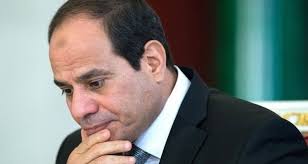
Analysts and observers argued that one reason for the rapprochement was the UAE’s sense that Egyptian President Abdel Fattah el-Sisi, whom it had supported since he came to power, was weakening. Others pointed to Saudi efforts to improve relations among countries in the region.
Cavusoglu’s UAE visit drew both Turkish and Arab attention, particularly because relations had reached a low point following disagreements over several major issues, foremost among them Egypt, Syria and Libya.
HuffPost Arabi reported that Cavusoglu’s Abu Dhabi visit followed Saudi King Salman bin Abdulaziz’s visits to Egypt and Turkey, prompting considerable discussion of a Saudi role in bringing the two countries closer together.