
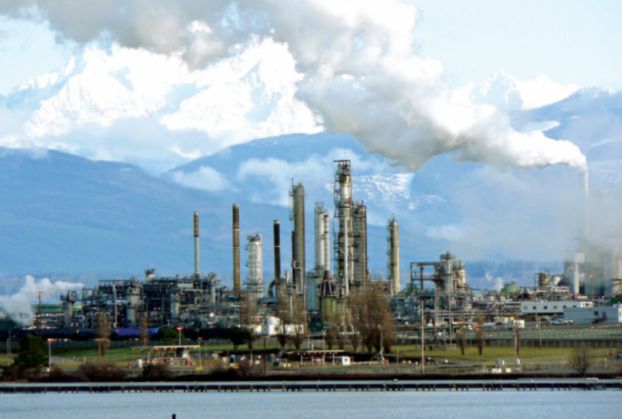
Property markets respond differently to the positive and negative developments seen daily across regional markets. These differences become more pronounced when events directly affect major economic sectors, particularly energy and real estate. The impact of falling oil prices on these sectors has become clear, given oil’s central role in generating financial surpluses allocated both to development projects and to medium- and long-term investments.
In its weekly report, Al Mazaya Holding said events had positive and negative effects to which markets and sectors responded according to their level of exposure and importance. It expected lower oil prices to improve overall performance, activity, and operating costs across most production and service sectors, encourage corrections in product prices, and help establish fair prices consistent with flexible, efficient supply and demand. Sectors whose products were in high demand and important to all parts of society would feel the greatest effect.
The report emphasized the importance of lower oil prices for construction costs and property prices across categories, sizes, and locations. The timing of reductions in raw-material and building-material prices was crucial to developers’ ability to complete and deliver projects on schedule and to the required standards. Lower prices also improved overall operating costs and returns, enabling developers to undertake more projects. In theory, regional property markets stood to benefit most from falling building-material prices, and the report stressed that these reductions and their positive effects should become apparent now or in the foreseeable future.
Al Mazaya described Jordan’s property market as particularly responsive to supply, demand, and fair pricing because of its sustained demand. The UAE’s property sector alternated between strong activity and slower changes in project types and sizes, while government plans and direction were clearer than those of the private sector. The market’s appeal came from genuine, continuing demand from overseas investors, population and expatriate growth, and its greater ability to reflect oil and non-oil developments in the prices of goods and products.
The report stressed the importance of stability in Saudi Arabia’s building-materials market now and in the coming period, both to control the total costs borne by citizens and to serve investors in the country’s large building-materials industry. Stable, fair prices were therefore a key requirement for all parties.
Market activity nevertheless showed seasonal weakness in demand for construction steel. As in the same period each year, many officials and businesspeople were traveling, slowing construction activity. Steel prices had been especially important in Saudi Arabia recently because of government projects with long-term development objectives.
Al Mazaya said this contributed to additional increases in steel prices and recourse to imports through agreements with companies and factories to meet demand and control prices.
With Saudi Arabia following free-market principles, building-material prices were linked to supply and demand. Citing Economy and Planning Ministry reports, Al Mazaya said most construction-material prices declined during 2014, led by steel. Prices were affected by shipping costs, expatriate labor costs, customs duties, and rising shop and warehouse rents.
In Egypt, the report identified sharp variations in building-material markets, which had recently experienced noticeable declines. It attributed this to weakness in the global market and falling international raw-material prices. The unstable relationship between the dollar and the Egyptian pound increased price volatility and instability.
The report quoted market experts warning about the negative effects of a stronger dollar on construction. Government exchange-rate liberalization contributed to substantial price differences in imported building materials and raw materials. With more development projects underway, the report said sudden changes or increases in material prices could not be accommodated without threatening completion and agreed delivery schedules.
Al Mazaya concluded by emphasizing the importance of stable building-materials markets, greater flexibility, and responsiveness to financial and economic developments. Markets needed to reflect both increases and decreases in input and output prices fully and positively, particularly the decline in oil prices.